



Extra Discount For You!
Get My Free QuoteTrusted, insured, and bonded.






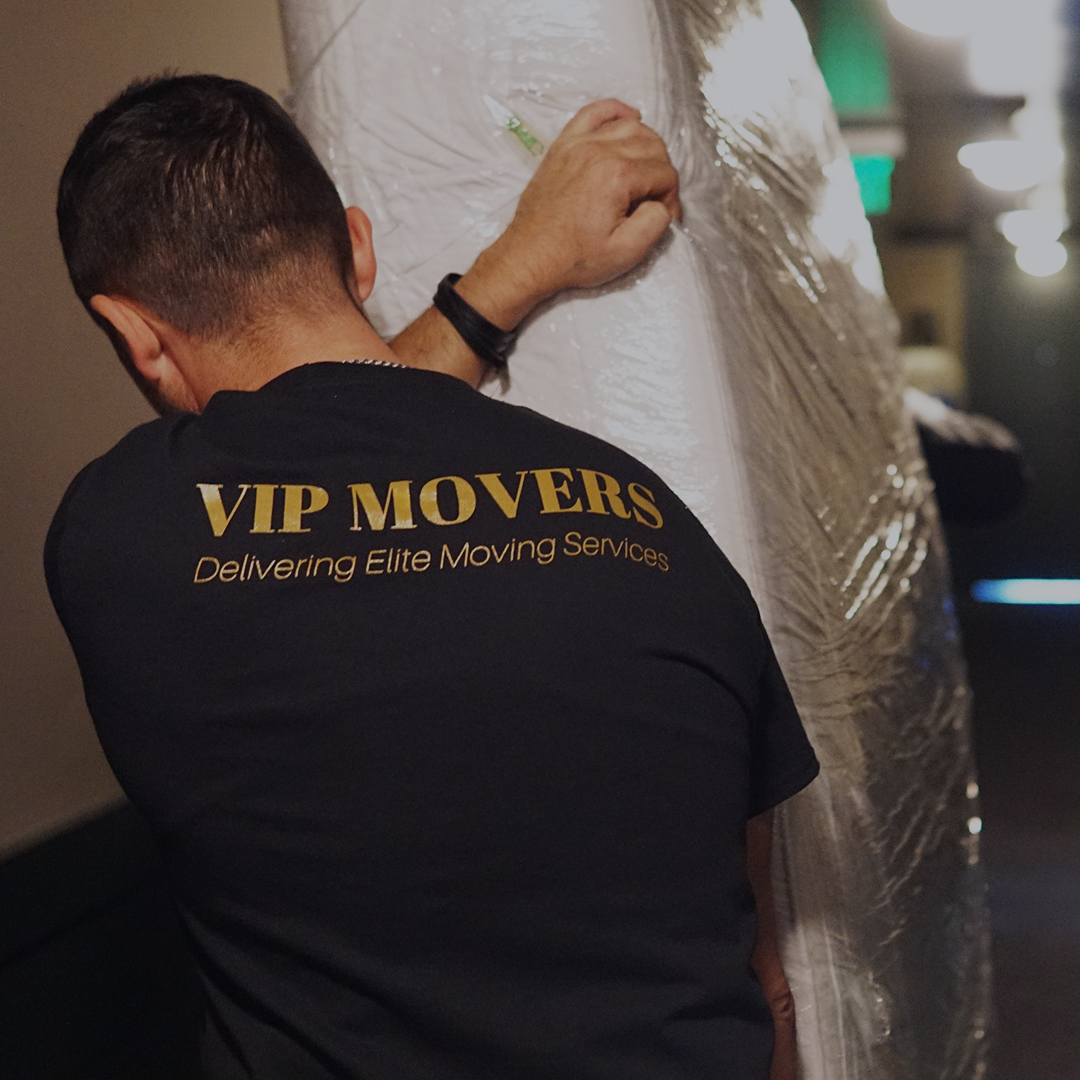
Moving can be a challenging experience, which is why choosing the right moving company to guide you and provide top-quality service is essential.
Our Mission
Our mission at Local Moving Company is to provide reliable and professional moving services at affordable prices. We are dedicated to minimizing the stress of moving by supporting our clients every step of the way and ensuring all belongings are delivered safely to their new home.
Our Vision
Our vision is to become Los Angeles’ most trusted and preferred moving company. Through innovative solutions and a commitment to customer satisfaction, we aim to set the standard for quality in the moving industry.













Trusted, insured, and bonded.

Before your move
Can you tell me exactly how much my move will cost me?
At Local VIP Movers, we provide comprehensive and clear pricing estimates based on your inventory size, total distance, and any specialized packing needs across Los Angeles. Although we aim for perfect precision from the start, unique moving-day variables can sometimes adjust the final total. To guarantee complete peace of mind and an accurate budget, please reach out to our team for a customized rate structure built specifically for your Los Angeles move.
What makes luxury movers in Beverly Hills different from standard moving companies?
Luxury Beverly Hills movers specialize in handling high-value homes, estates, designer furniture, fine art, antiques, wine collections, and luxury office equipment. They use premium packing materials, white-glove services, and highly trained professionals to ensure every item is transported safely and discreetly.
Do you provide moving services for luxury estates in Beverly Hills?
Yes. Our estate moving services are designed for large residential properties, gated communities, and high-end estates throughout Beverly Hills. We create customized moving plans to ensure a smooth, secure, and efficient relocation.
Can you move luxury offices and executive workplaces?
Absolutely. Our office movers in Beverly Hills relocate executive offices, law firms, medical practices, creative agencies, and corporate headquarters with minimal disruption to your business operations.
How do you protect valuable furniture and artwork during the move?
Our luxury moving team uses custom crating, premium padding, climate-conscious transportation when needed, and specialized packing techniques to protect artwork, antiques, designer furniture, chandeliers, and other valuable belongings throughout the moving process.
Are your Beverly Hills movers insured and licensed?
Yes. Our Beverly Hills moving company is fully licensed and insured, providing added protection and peace of mind for residential, estate, and commercial moves.
Do you offer white-glove moving services?
Yes. Our white-glove moving service includes professional packing, furniture protection, custom crating, careful transportation, unpacking, furniture placement, and debris removal for a completely stress-free experience.
Can you handle local and long-distance luxury moves?
Yes. Whether you’re moving within Beverly Hills, across California, or to another state, our luxury movers provide secure local and long-distance moving solutions tailored to your schedule and requirements.
Do you provide packing and unpacking services?
Yes. We offer full-service packing and unpacking using premium materials to safeguard fragile, oversized, and high-value belongings. Every item is carefully labeled and organized for an efficient move.
How far in advance should I schedule a luxury move?
For luxury homes, estates, or executive offices, we recommend scheduling your move at least 3–6 weeks in advance. Early booking allows us to plan logistics, secure specialized equipment, and accommodate custom moving requests.
Can you move pianos, antiques, and other specialty items?
Yes. Our experienced Beverly Hills movers are trained to transport pianos, antiques, sculptures, designer furniture, wine collections, safes, and other specialty items using the proper equipment and protective techniques.
How much does a luxury move in Beverly Hills cost?
The cost depends on factors such as property size, moving distance, the number of specialty items, packing requirements, and any white-glove services requested. Contact us for a personalized, no-obligation quote.
Why choose your Beverly Hills luxury moving company?
We combine experienced movers, premium packing materials, personalized service, modern equipment, and meticulous attention to detail. Our goal is to provide a seamless luxury moving experience for homes, estates, and offices while protecting your valuable assets every step of the way.
Are you licensed and insured? Are your movers background checked?
Yes, Local VIP Movers is fully licensed and insured in compliance with California state regulations to guarantee your complete protection. Every member of our professional moving team undergoes rigorous background checks and comprehensive training before stepping onto a job site. We prioritize the safety of your belongings and your peace of mind, ensuring that only trusted, qualified professionals handle your Los Angeles move from start to finish.
Can you give me an exact quote for my move?
Because every relocation comes with its own unique details, Local VIP Movers cannot provide an exact final quote without assessing the specific requirements of your move. To give you a precise and binding estimate for your Los Angeles relocation, we need to evaluate factors such as the total volume of your belongings, the distance between your locations, and any specialized packing or handling services you might need. We invite you to contact us directly to schedule a quick, complimentary visual walkthrough, allowing us to deliver a customized and accurate rate structure with absolute clarity for your budget.
How do you move small amounts?
At Local VIP Movers, we treat small-scale relocations with the exact same premium care and precision as a large estate move. Whether you are transporting a few select pieces of high-end furniture, a studio apartment, or a small office setup in Los Angeles, we streamline the process to keep it efficient and cost-effective. We utilize specialized small-vehicle options and optimized scheduling to match your smaller volume, ensuring you only pay for the resources you actually need without sacrificing our signature white-glove service. Contact Local VIP Movers today to get a tailored, efficient strategy for your small-scale move.
Business to business. How can I pay?
At Local VIP Movers, we streamline corporate relocations with flexible commercial payment options designed to fit your company’s accounting workflows. For our business-to-business clients handling office moves or corporate transfers in Los Angeles, we accept corporate credit cards, secure electronic funds transfers (EFT/ACH), and official company checks. Depending on the scale of your project and pre-approval through our corporate accounts department, we can also set up direct invoicing structures with net payment terms. Contact your dedicated Local VIP Movers corporate account manager today to establish the most convenient billing method for your organization.
How Do I Choose a Packer and Mover?
Choosing the right packer and mover requires evaluating a company’s credentials, reputation, and transparency to ensure a seamless relocation experience. To protect your belongings, always verify that the company is fully licensed with federal and state authorities, such as the Department of Transportation or local state utilities commissions, and carries comprehensive insurance options. Reliable movers will provide transparent, detailed estimates based on a visual walkthrough of your inventory rather than offering vague pricing over the phone. Additionally, reviewing consistent customer feedback on trusted platforms and checking for clear, professional communication will help you select a qualified partner who aligns with your specific moving needs and budget.
How much are movers per hour in California?
At Local VIP Movers, our local relocations across Los Angeles are calculated using a transparent hourly rate structure that directly reflects the specific requirements of your project. In strict alignment with California consumer protection regulations, local hourly moves incorporate the Double Drive Time (DDT) law, which measures the actual transit time between your old and new locations and doubles it to represent the total trip fairly, protecting you from portal-to-portal overhead charges. The final billing hours depend entirely on the crew size, the time required for careful loading and unloading, and specific route conditions. For absolute clarity and a tailored breakdown without any hidden fees, contact Local VIP Movers to arrange a professional visual walkthrough.
How much do the best movers make an hour?
At the top tier of the moving industry, compensation is based entirely on specialized skill, professional certifications, and elite service standards rather than standard entry-level wages.
The industry’s highest-earning relocation specialists command premium compensation because they possess advanced expertise in handling high-value assets, fine art, custom crating, and complex packing logistics. Furthermore, top-tier professionals who provide premium, white-glove customer care frequently see their overall earnings significantly increased through performance incentives and high-percentage tips from satisfied corporate and residential clients.
If you want to see how top-tier expertise translates into a seamless, elite relocation experience, contact Local VIP Movers today to get a customized strategy from our premier team.
What are your moving and office hours?
Local VIP Moving Company operates 7 days a week to accommodate your moving needs. Our regular moving hours are from 8:00 AM to 8:00 PM, but we are flexible and can schedule earlier or later times based on your preferences, depending on availability.
Our office is open Monday through Friday from 9:00 AM to 6:00 PM. You can reach us during these hours to ask questions, get quotes, or reserve your move. If you need assistance outside of office hours, feel free to leave a message, and we’ll get back to you as soon as possible.
What is considered a short distance move?
A short distance move typically involves relocating within the same city or nearby areas, usually under 50 miles. Some moving companies may extend this to 100 miles depending on their policies. These moves are often completed in a single day and include less logistical complexity than long-distance relocations.
At Local VIP Movers, we specialize in premium short distance moves, offering efficient, tailored, and stress-free services designed around your schedule. Whether you’re moving across the street or to a neighboring town in Los Angeles, our elite team ensures a seamless and professional relocation process from start to finish.
Things to do when moving out of a house
Before moving out of a house, create a moving plan and start packing your belongings early. Sort items you want to keep, donate, or dispose of to reduce clutter. Update your address with banks, employers, and other important services, and arrange for utilities such as electricity, water, and internet to be transferred or canceled. Clean the property thoroughly, repair any minor damage if necessary, and check every room to ensure nothing is left behind. Finally, complete a final walkthrough and hand over the keys before leaving.
Movers by the Hour in Los Angeles
Hourly movers in Los Angeles are a flexible and cost-effective solution for local moves, apartment relocations, loading and unloading services, and furniture rearrangements. Instead of paying a flat moving fee, you only pay for the time and crew size you need. Professional hourly movers can assist with packing, lifting heavy furniture, loading moving trucks, and transporting belongings safely and efficiently. This option is ideal for customers who want greater control over their moving budget while receiving professional moving assistance.
How to prepare a bed for movers?
Before movers arrive, remove all bedding, including sheets, pillows, blankets, and mattress protectors. Pack these items separately in labeled boxes or bags. If possible, disassemble the bed frame by removing the headboard, footboard, and side rails, and place all screws and hardware in a sealed, labeled bag. Protect the mattress with a mattress cover to keep it clean during transport. Clear the area around the bed to give movers easy access and ensure a safe, efficient moving process.
How early should I book professional movers in Los Angeles?
You should book professional movers in Los Angeles about 4–8 weeks in advance.
If you’re moving during busy times like summer, weekends, or end of the month, aim for the full 6–8 weeks early. For off-peak moves, 2–4 weeks may still work, but availability will be more limited.
What areas do you serve for long-distance moves?
We provide long-distance moving services across all major cities and states in the U.S., including coast-to-coast relocations. Whether you’re moving from Los Angeles to another California city or to states like Nevada, Texas, New York, or Florida, our team handles the entire process from pickup to delivery.
How Many Movers Do I Need For My Move?
The number of movers you need depends on the size of your home and how much furniture you have:
If you have heavy items (pianos, large sofas, lots of stairs, or long walking distance), you may need an extra mover to make the process faster and safer.
How is the cost of my shipment calculated?
The cost is usually based on distance, shipment size (weight or volume), and the type of service you choose.
Full service movers Los Angeles
Full service movers in Los Angeles handle every part of your move from start to finish. This typically includes packing your belongings, providing packing materials, loading the truck, transportation, unloading, and even unpacking and furniture assembly at your new location.
This type of service is ideal if you want a stress-free move without doing any heavy lifting or preparation work yourself. Full service movers are especially helpful for large homes, busy schedules, or long-distance relocations, offering convenience, safety, and efficiency throughout the entire moving process.
What's the benefit of hiring professional movers in Los Angeles?
Hiring professional movers in Los Angeles saves time and reduces stress by handling all aspects of your move, including packing, loading, transportation, and unloading. Experienced movers use proper equipment and techniques to protect your belongings and reduce the risk of damage or injury. They also work efficiently, which can make the moving process faster than doing it yourself. In addition, professional movers are especially helpful in busy cities like Los Angeles where traffic, parking, and logistics can be challenging.
How Can I Reserve a Date?
To reserve a moving date, contact your moving company as early as possible and provide details such as your moving date, pickup and delivery locations, and the size of your move. You may need to choose a preferred time slot and confirm availability. Most companies require a deposit or confirmation to secure your booking. Once confirmed, you will receive a reservation confirmation with your scheduled date and time.
Are there any extra fees I need to be aware of?
Yes, there can be extra fees depending on your move. Common additional charges may include stairs or long carry distances, packing materials, heavy or special items (like pianos or safes), and moves scheduled on weekends or holidays. Providing accurate details about your move helps avoid unexpected costs.
How far in advance do I need to book my move?
You should book your move about 4–8 weeks in advance for the best availability and pricing. During busy periods like summer, weekends, or the end of the month, it’s better to book even earlier. If you’re moving last-minute, some movers may still be available, but options can be limited.
Do you provide wardrobe boxes, blankets, dollies, and tools?
Yes, professional movers typically provide wardrobe boxes, moving blankets, dollies, and basic tools needed for safe packing, protection, and furniture disassembly/reassembly during the move.
How Long in Advance Should I Contact Movers?
It’s best to contact your moving company as soon as your move is confirmed. Booking early helps secure your preferred date, ensures availability, and allows smoother planning of logistics. It may also help you access better rates or early booking offers. For a personalized quote and to lock in your schedule, you can reach out in advance to Local VIP Movers.
Do You Charge Extra For Stairs, Elevators, Long Walking Distance?
Yes, extra charges may apply for stairs, elevator use, or long walking distances.
If movers need to carry items up or down multiple flights of stairs, wait for elevator access, or walk a long distance from the truck to your door, it can increase labor time and effort. These situations are often considered additional service conditions and may result in extra fees depending on the company’s pricing policy.
Do you move commercial-grade appliances?
Yes, professional movers can move commercial-grade appliances, such as large refrigerators, freezers, ovens, and laundry machines.
However, these items usually require special handling, equipment, and sometimes extra manpower due to their size and weight. In some cases, movers may also need advance notice to prepare the right tools and ensure safe transportation.
What types of moving services do you offer?
We offer a full range of moving services, including local moving, long-distance moving, residential moves, commercial moves, packing and unpacking services, furniture disassembly and reassembly, and loading/unloading help. We also provide labor-only services and can assist with specialty or heavy items when needed.
What time do you guys pick up and deliver my stuff?
Pick-up and delivery times usually depend on the moving schedule you book.
Most moving companies offer morning and afternoon time windows, with pick-up typically starting around 8:00 AM–10:00 AM, and delivery completed the same day for local moves or within the scheduled timeframe for long-distance moves. Exact timing can vary based on traffic, distance, and job complexity.
You’ll usually receive a confirmed time window before moving day, and the team will update you if there are any delays.
Do I need an estimate for my moving needs?
Yes, getting an estimate is highly recommended for your moving needs.
An estimate helps you understand the expected cost based on factors like distance, number of items, labor time, and any extra services (packing, stairs, heavy items). It also allows movers to give you a more accurate price and helps avoid unexpected charges on moving day.
Will you guys disassemble and rebuild furniture like my bed?
Yes, most professional movers can disassemble and reassemble furniture, including beds.
This usually includes taking apart bed frames, headboards, and basic furniture before the move and putting them back together at your new location. It helps make transport safer and prevents damage. Some specialty or complex furniture may require extra time or prior notice.
When should I begin contacting moving companies for estimates?
You should start contacting moving companies for estimates about 4–8 weeks before your move.
Getting quotes early gives you enough time to compare prices, check availability, and choose the best option without rushing. If you’re moving during busy periods like summer or the end of the month, it’s even better to start closer to 6–8 weeks in advance.
How is drive time calculated?
Drive time is usually calculated based on the total time the moving truck is in use on the road.
This typically includes:
It is usually measured from the moment the truck leaves the company location until it finishes the job, and it may include traffic delays depending on the company’s policy.
How are estimates calculated?
Estimates are usually calculated based on several key factors:
Together, these factors help movers provide a more accurate price for your specific move.
Is moving labor the only moving expense I should expect during my move?
No, moving labor is not the only expense you should expect during your move.
In addition to labor costs, you may also need to account for truck fees or transportation costs, packing materials (boxes, tape, wrapping), fuel charges, and travel time or drive time fees. Depending on your move, there could also be extra charges for stairs, long walking distances, heavy or special items, and additional services like packing or furniture assembly.
How can I keep my costs down during my move?
You can keep your moving costs down by planning ahead and reducing the overall time and labor needed.
Declutter before your move so you’re not paying to transport unnecessary items. Pack your belongings yourself when possible, and use free or low-cost packing materials. Book your move on a weekday or mid-month, when rates are usually lower, and avoid peak seasons if you can. Also, make sure everything is ready before movers arrive to reduce labor time, and provide clear access to your home to avoid delays or extra charges.
What should I do with my jewelry and other valuable items?
You should keep jewelry and other valuable items with you personally during the move instead of putting them on the moving truck.
Pack them in a small, secure bag or box that you can carry at all times. This includes items like cash, important documents, electronics, and sentimental valuables. Keeping them with you helps prevent loss, damage, or misplacement during the moving process.
Should I hire a professional mover or do it myself?
It depends on your situation.
If you have a small move, limited furniture, and want to save money, doing it yourself can work, but it requires renting a truck, heavy lifting, packing, and more time and effort.
If you have a larger home, heavy items, stairs, a tight schedule, or want less stress, hiring professional movers is usually the better option. They handle packing, loading, transport, and unloading more efficiently and safely, and can help reduce the risk of damage or injury.
What can’t we bring?
It depends on your situation.
If you have a small move, limited furniture, and want to save money, doing it yourself can work, but it requires renting a truck, heavy lifting, packing, and more time and effort.
If you have a larger home, heavy items, stairs, a tight schedule, or want less stress, hiring professional movers is usually the better option. They handle packing, loading, transport, and unloading more efficiently and safely, and can help reduce the risk of damage or injury.
Is valuation (moving insurance) necessary?
Valuation (moving insurance) is not always required, but it is highly recommended.
It provides financial protection if your belongings are lost or damaged during the move. Basic coverage is often included by movers, but it may only offer limited reimbursement. If you have valuable or fragile items, choosing full valuation coverage can give you greater peace of mind and better protection.
How far in advance should I schedule my move?
You should schedule your move about 4–8 weeks in advance.
This gives you better availability, more flexible time slots, and often better pricing. If you’re moving during busy periods like summer, weekends, or the end of the month, it’s best to book even earlier (around 6–8 weeks ahead) to secure your preferred date.
What days or dates are the best for moving?
The best days for moving are usually mid-week (Tuesday, Wednesday, or Thursday) because demand is lower and prices are often cheaper.
The best dates are typically mid-month and outside of peak periods like:
Choosing a weekday in the middle of the month usually gives you better availability, lower rates, and a smoother moving experience.
How Can I Make My Move Faster?
You can make your move faster by preparing everything before movers arrive and reducing delays on moving day.
Pack and label all boxes in advance, disassemble furniture when possible, and make sure hallways, stairs, and entryways are clear. Group items by room so loading is more organized, and keep essential items separate so you don’t need to search for them later. Being fully ready when movers arrive helps them work quickly and efficiently.
Will movers place my possessions in the room in which they belong?
Yes, most professional movers will place your belongings in the correct rooms at your new home as long as they are clearly labeled or you guide them on arrival.
This helps make unpacking faster and more organized. However, movers usually place items only—they typically do not fully unpack boxes unless you’ve requested unpacking services.
Is there tax on the move?
Yes, in many cases tax may be applied to moving services, but it depends on the location and the type of service provided.
Some states or cities tax labor services like packing, loading, or transportation, while others do not. Long-distance moves may also include different tax rules depending on where the service starts and ends. Your mover will usually include any applicable taxes in your final estimate or invoice so there are no surprises.
How accurate is the moving estimate?
A moving estimate is usually fairly accurate, but it depends on how complete and correct the information you provide is.
If you give detailed information about your inventory, access conditions, and services needed, the estimate can be very close to the final price. However, changes on moving day (extra items, difficult access, or added services) can affect the final cost. A binding or fixed estimate is typically more precise than a non-binding one.
What Is the Best Time to Move?
The best time to move is usually during mid-week (Tuesday to Thursday) and mid-month, when demand is lower.
In terms of seasons, fall and winter are often the best times, because prices are lower and movers are more available compared to the busy summer season. Early morning moves also tend to go more smoothly with less traffic and delays.
Should I remove clothes and other items from dresser drawers and desk drawers?
Yes, it’s generally recommended to remove clothes and other items from dresser and desk drawers before the move.
Empty drawers make furniture lighter, safer to carry, and less likely to get damaged. They also prevent items from shifting, falling out, or breaking during transport. Once emptied, drawers can be secured or wrapped separately to protect the furniture.
What items can you NOT move?
Professional movers typically cannot move hazardous, illegal, or highly sensitive items.
Common items that are not allowed include:
Rules can vary slightly by company and state, but anything dangerous, perishable, or highly valuable is usually excluded.
What happens if I am not ready to move by my moving date?
If you are not ready on your moving date, it can cause delays and additional charges.
Most movers work on a scheduled time window, so if your items are not packed or accessible, the crew may need to wait, which can increase labor costs. In some cases, the move may need to be rescheduled, and you could be charged a rescheduling or cancellation fee depending on the company’s policy. To avoid issues, it’s best to be fully packed and ready before movers arrive.
Will your moving crew arrange the furniture in my new home?
Yes, most professional moving crews will place your furniture in the rooms you want in your new home.
They will usually follow your instructions (for example, bedroom, living room, etc.) and help position large items like beds, sofas, and tables. However, detailed interior arranging or decorating is typically not included unless you request additional services.
How long does it normally take to receive a quote?
You usually receive a moving quote within a few minutes to 24 hours, depending on how detailed your request is.
If your move is complex or requires a detailed inventory review, it may take slightly longer, but most professional movers respond very quickly.
Can your moving crew clean my old home on moving day?
Yes, many professional movers offer cleaning services as an add-on, but it depends on the company.
Some crews can do a basic move-out clean (like sweeping, light vacuuming, and wiping surfaces), while others may provide full deep cleaning through a separate service team or partner company.
It’s best to request this in advance, since cleaning is not always included in standard moving services.
Will you cancel my scheduled move if there is inclement weather?
No, in most cases your move will not be automatically canceled due to inclement weather.
Professional movers usually operate in rain, light snow, or normal weather conditions, and will continue the move while taking precautions to protect your belongings.
However, in cases of severe or unsafe weather (such as heavy storms, flooding, or dangerous road conditions), the company may:
Policies can vary by company, but safety is always the top priority.
Can a family member or friend help on moving day to lower costs?
Yes, a family member or friend can usually help on moving day, and it may help reduce costs, but it depends on the moving company’s policy.
Many movers allow extra help, especially for packing or carrying smaller items, which can speed up the process and reduce labor time. However, some companies prefer only their trained crew handles the heavy lifting for safety and liability reasons.
It’s always best to inform your movers in advance if others will be assisting.
What are the available payment methods?
Most moving companies accept a variety of payment methods, including credit cards, debit cards, cash, and sometimes checks or bank transfers.
Some companies may require a deposit to reserve your booking, with the remaining balance due on or after moving day. Payment options can vary, so it’s best to confirm in advance with your mover to avoid any surprises.
What are the best days of the week to move?
The best days of the week to move are usually Tuesday, Wednesday, and Thursday.
These mid-week days are less busy than weekends, so you’ll often get better availability, lower prices, and a more flexible schedule. Fridays can also be okay, but weekends are typically the most expensive and hardest to book.
When will I get charged for the move?
You are typically charged for your move on moving day or immediately after the service is completed, depending on the company’s policy.
In many cases:
The exact timing can vary, so it’s always best to confirm the payment schedule in advance with your movers.
What can you tell me about your workers?
Our moving crews are typically made up of trained, experienced, and background-checked professionals who specialize in safe and efficient moving. They are skilled in packing, loading, unloading, and handling furniture with care to help protect your belongings throughout the process.
What is flat rate pricing?
Flat rate pricing is a moving cost where you pay a fixed total price for the entire move, instead of paying by the hour.
This price is usually based on factors like the size of your move, distance, number of items, and any extra services needed. The benefit is that you know the total cost upfront, which helps avoid surprises—even if the move takes longer than expected.
Do they work on sundays/weekends?
Yes, most professional moving companies do work on weekends, including Sundays.
However, weekend moves are usually more in demand, so they may be:
It’s best to schedule weekends in advance if you need that availability.
When will you send my Certificate of Insurance?
Your Certificate of Insurance (COI) is usually sent before moving day, once your booking is confirmed and all required details are provided.
In most cases, it can be issued within 24–48 hours of your request, but some buildings (especially apartments or commercial properties) may require specific wording, which can take a bit longer to prepare.
Do the rates change over the weekend?
Yes, rates can change over the weekend.
Weekend moves are usually more expensive than weekday moves because demand is higher. Many people prefer Saturdays and Sundays, so availability is lower and pricing may increase. Booking a weekday move is often more cost-effective.
Do you offer coverage for my items?
Yes, most professional movers offer basic valuation coverage for your items, and many also provide additional insurance options for extra protection.
Basic coverage is usually included at no extra cost, but it may only offer limited reimbursement per pound or item. If you want more protection, you can choose full value protection, which covers repair, replacement, or compensation for damaged or lost items.
Are Service Providers background checked?
Yes, professional moving companies typically ensure that their service providers and crew members are background checked before working on customer moves.
This process helps verify identity and work history, and supports a safer and more reliable moving experience for customers.
What happens if the Service Provider hurts themselves on the job?
If a service provider is injured on the job, they are typically covered by the company’s workers’ compensation insurance.
This means their medical costs and related expenses are handled by the company’s insurance, and the customer is generally not held responsible. Professional moving companies follow safety procedures and carry insurance to protect both their workers and customers.
How much do movers cost?
Movers cost varies depending on the size of your move, distance, number of movers, and services you choose (such as packing or furniture assembly). Local moves are typically charged by the hour, while long-distance moves are based on distance and shipment size. Additional factors like stairs, heavy items, or special handling can also affect the final price.
How many hours are included in the flat rate?
Flat rate pricing does not usually include a set number of hours. Instead, it is a fixed total price for the entire move, regardless of how long it takes.
The cost is based on factors like the size of the move, distance, access conditions, and any additional services—not hourly time.
How far in advance should I schedule my move?
You should schedule your move about 4–8 weeks in advance.
This gives you better availability and more flexible scheduling options. If you’re moving during busy times like summer, weekends, or the end of the month, it’s best to book even earlier to secure your preferred date.
Do you move pianos?
Yes, many professional movers can move pianos, including upright and baby grand pianos.
Because pianos are heavy, delicate, and require special handling, they usually need special equipment, extra padding, and experienced movers. In some cases, there may be additional requirements depending on the type of piano and the difficulty of access.
Does Flat Rate include boxes and packing in the moving price?
Whether a flat rate includes boxes and packing depends on the moving company and the specific package you choose.
In most cases, a standard flat rate includes only the moving service itself (labor, transportation, loading and unloading). Packing services and materials like boxes, tape, and wrapping are often offered as optional add-ons and may not be included unless specifically stated in your estimate.
It’s always best to confirm exactly what is included in your flat rate before booking.
How much will my move cost?
The cost of your move depends on several factors, including the size of your home, distance, number of movers, total time, and any extra services you choose such as packing or furniture assembly.
Additional details like stairs, elevator access, heavy items, or long walking distances can also affect the final price. The best way to get an accurate cost is to request a personalized estimate based on your specific moving needs.
Can you move me cross country or to another country?
Yes, professional moving companies typically offer both cross-country and international moving services.
For cross-country moves, they handle long-distance transportation across states, including packing, loading, shipping, and delivery. For international moves, services may also include customs paperwork, shipping coordination (air or sea freight), and delivery to your new country, depending on the company’s capabilities.
Availability and requirements can vary, so it’s important to confirm the details in advance with your mover.
Do you charge for wardrobe boxes?
It depends on the moving company and the type of service you choose.
Some movers include wardrobe boxes as part of the service, especially for full-service or premium moves, while others may charge separately for packing materials, including wardrobe boxes. In many cases, they can also be provided as an optional add-on or rental item.
It’s best to confirm in advance so you know exactly what is included in your estimate.
How long will it take to move my home?
The time it takes to move your home depends on the size of your home, amount of belongings, distance, and access conditions.
A small apartment move may take only a few hours, while larger homes can take most of the day or longer. Factors like packing services, stairs, elevators, traffic, and heavy items can also affect the total moving time.
Can weather affect my move?
Yes, weather can affect your move.
Light rain or normal conditions usually don’t stop the process, but movers may take extra precautions to protect your belongings. However, severe weather like heavy storms, flooding, or unsafe road conditions can cause delays or rescheduling to ensure safety for both the crew and your items.
How do I know if my movers are licensed and insured?
You can verify if your movers are licensed and insured by taking a few simple steps:
Check the company’s website or estimate—reputable movers usually list their license number and insurance details. You can also ask the company directly to provide proof of licensing and insurance.
For U.S. interstate moves, you can verify the license using the FMCSA (Federal Motor Carrier Safety Administration) database. For local moves, licensing is typically handled by the state’s transportation or consumer affairs department.
Always confirm this before booking to make sure your belongings are protected.
What is an estimate and how many should I get?
An estimate is a quote from a moving company that gives you an idea of how much your move will cost based on details like the size of your move, distance, services needed, and access conditions.
It’s recommended to get at least 2–3 estimates from different companies. This helps you compare pricing, services, and professionalism so you can choose the best option for your move.
How much are movers in Los Angeles?
Movers in Los Angeles are usually priced based on the size of the move, number of movers, time required, distance, and any extra services you choose.
Local moves are typically charged by the hour, while long-distance moves are calculated based on distance and shipment size. Additional factors like stairs, packing services, heavy items, or difficult access can also affect the total cost.
For the most accurate price, it’s best to request a personalized estimate based on your specific moving details.
Do you provide moving discounts?
Yes, we may offer moving discounts and promotions depending on availability, season, and the details of your move.
Discounts can vary and may include special offers for certain customers or booking periods. It’s best to contact us directly to see what current discounts you may qualify for.
Is there a minimum amount of hours for the moving service?
Yes, most moving companies have a minimum service time requirement, especially for hourly moves.
This usually means you are billed for a minimum number of hours, even if your move takes less time. The exact minimum can vary depending on the company, crew size, and type of move, so it’s best to confirm this when booking.
Is there a moving deposit to reserve the time slot?
Yes, most moving companies require a deposit to reserve your time slot.
The deposit amount and payment terms vary by company, but it is typically used to secure your booking date and schedule your crew. The remaining balance is usually paid on or after moving day, depending on the company’s policy.
What information should the moving company provide?
A moving company should provide clear and complete information before your move, including:
This helps you understand exactly what to expect and avoid any surprises on moving day.
What does that moving term mean?
At Local Moving Company, we prioritize clear communication. If you encounter a moving term you’re unsure about, feel free to reach out to us. We’re here to provide explanations and ensure you have a full understanding of the moving process. Contact Local VIP Movers for any clarification you need, and we’ll guide you through the terminology to make your move as seamless as possible.
Are movers obligated to move my goods for the estimate they quote?
No, movers are not always obligated to move your goods strictly for the original estimate amount.
Estimates are based on the information provided before the move, such as inventory, access conditions, and services needed. If the actual job differs (for example, more items, extra services, stairs, or difficult access), the final cost may change.
However, with a binding or guaranteed estimate, the movers are required to complete the job at the agreed price as long as nothing changes from the original details.
What do the following estimate terms mean: non-binding estimate, 110% provision/rule, binding estimate?
Non-binding estimate:
This is an approximate cost based on the information you provide. The final price can be higher or lower depending on the actual weight, time, or services required on moving day.
110% rule (or 110% provision):
For interstate moves, movers can collect only up to 110% of the estimated cost at delivery. If the final charges exceed the estimate, the remaining balance must be billed later.
Binding estimate:
This is a fixed price agreement. As long as your inventory and services don’t change, the price stays the same, even if the move takes longer or costs more to complete.
Is Local Moving Company available for local and long-distance moves?
Yes, Local VIP Movers typically provides both local and long-distance moving services.
This includes short-distance moves within the same city or area, as well as long-distance relocations between states. Services usually cover packing, loading, transportation, and unloading, depending on what you choose for your move.
What information and paperwork is the mover required to provide?
A professional mover is typically required to provide the following information and paperwork:
These documents help ensure transparency and protect both you and the moving company during the move.
What is the average cost of movers in Los Angeles?
The average cost of movers in Los Angeles depends on factors like home size, number of movers, distance, time required, and any additional services such as packing or heavy item handling.
Local moves are usually priced based on labor time, while long-distance moves are based on distance and shipment size. Extra conditions like stairs, elevator use, or difficult access can also affect the final cost.
For an accurate price, it’s best to request a personalized estimate based on your specific moving details.
What do most moving companies charge per hour?
Most moving companies charge based on the number of movers and the time worked, and the hourly rate varies depending on location, demand, and service level.
In general, the hourly rate increases with more movers on the crew and may be higher for weekends, peak season, or moves with special requirements. The final cost also depends on factors like travel time, stairs, heavy items, and packing services.
For an exact rate, it’s best to request a personalized estimate from the moving company.
During your move
How much are movers in California?
The cost of movers in California varies based on factors like the size of your move, distance, number of movers, time required, and any additional services such as packing or furniture assembly. Local moves are typically charged by the hour, while long-distance moves are based on distance and shipment size.
For an accurate price, it’s best to request a personalized estimate from a professional company like Local VIP Movers, which can assess your specific moving needs and provide a detailed quote.
Do you pack my stuff or should I do it?
You can choose either option depending on your preference.
Most moving companies offer packing services, where professional movers carefully pack your belongings using proper materials to ensure safe transport. This is helpful if you want to save time or prefer a fully managed move.
However, you can also pack your items yourself before moving day if you want more control or to reduce costs. Many customers choose a combination of both—packing personal items themselves while letting movers handle fragile or bulky items.
Do you charge for stairs?
Yes, many moving companies may apply an additional charge for stairs.
This is because carrying items up or down stairs requires more time, effort, and labor compared to standard ground-level access. The exact fee depends on the number of flights, the size of the crew, and the overall difficulty of the move.
How do you pack fragile or high-value items?
Fragile and high-value items are packed with extra protection and careful handling techniques.
They are typically wrapped individually using protective materials like bubble wrap, packing paper, or padding, and placed in sturdy, well-cushioned boxes. Items are labeled clearly as “fragile” to ensure careful handling during transport. For very valuable items, additional reinforcement or custom packing methods may be used to minimize the risk of damage.
Why is the rate so much lower/higher than other places?
Moving rates can be lower or higher than other companies because of several factors, including crew experience, service quality, insurance coverage, equipment, and level of service included.
Lower rates may reflect fewer services, less experience, or limited insurance coverage, while higher rates often include professional crews, full insurance options, better equipment, and more comprehensive services like packing or furniture assembly. Market demand, scheduling (weekends vs. weekdays), and job complexity can also affect pricing.
How should I pay and what are the payment methods?
You can usually pay for moving services using credit cards, debit cards, cash, or sometimes bank transfers or checks, depending on the company’s policy.
Most movers require a deposit to secure your booking, with the remaining balance due on moving day or after the job is completed. It’s always best to confirm accepted payment methods and payment timing in advance so everything is clear before your move.
Can I ship jewelry and important documents along with other items?
It is generally not recommended to ship jewelry, cash, or important documents with your other household items.
These valuables should be kept with you at all times during the move for safety and security. Moving companies usually advise customers to personally carry items like passports, legal documents, jewelry, and other high-value or irreplaceable belongings to avoid loss or damage.
Can I/my family/friends help move items also?
Yes, in many cases you can have family or friends help during your move, especially with packing, carrying lighter items, or organizing.
However, most professional moving companies prefer that their trained crew handle the heavy lifting and furniture moving for safety and liability reasons. If others will be assisting, it’s best to inform the movers in advance so everything can be coordinated smoothly.
Can I set my own start time?
In most cases, you can request a preferred start time, but it depends on availability and scheduling.
Moving companies usually offer time windows (such as morning or afternoon slots) rather than exact guaranteed times. If you need a specific start time, it’s best to request it in advance so the company can try to accommodate your schedule, especially during busy days.
When do I get charged?
You are usually charged in stages depending on the moving company:
The exact timing depends on the company’s payment policy, so it’s best to confirm it before your move.
When will my Service Provider call me?
Your service provider will usually call you before moving day or on the morning of your move.
In most cases, you can expect:
The exact timing can vary, but you will typically receive communication once your crew is on the way or ready to start.
What if I need to cancel?
If you need to cancel your move, you should contact your moving company as soon as possible.
Most companies have a cancellation policy that may include:
The exact terms depend on the company, so it’s best to review your booking agreement before canceling.
How do I request special equipment?
You can request special equipment by informing your moving company in advance when you book or get your estimate.
Let them know what you need, such as dollies, furniture pads, straps, or tools for disassembly. Providing details about heavy or fragile items helps the company prepare the right equipment and crew for your move.
Can I change the date of my job?
Yes, in most cases you can change the date of your move, but it depends on availability.
You should contact your moving company as soon as possible to request a new date. Changes made early are usually easier to accommodate, while last-minute changes may be subject to availability or rescheduling fees depending on the company’s policy.
Do I have to take the clothes or items out of my drawers?
Yes, it’s usually recommended to empty your drawers before the move.
Removing clothes and other items makes furniture lighter, safer to carry, and helps prevent damage or items shifting during transport. Once emptied, movers can properly secure or wrap the furniture for safe moving.
I want to do some packing before the movers arrive. What should I take care of?
If you plan to pack before movers arrive, focus on making everything organized, safe, and easy to load:
Being prepared like this helps the movers work faster and keeps your items better protected.
Will you move my plants?
Most moving companies can move plants, but it depends on the type of move.
For local moves, plants are often allowed and can usually be transported safely. For long-distance or interstate moves, many companies do not move plants due to state regulations, temperature sensitivity, and survival risks during travel.
It’s always best to confirm in advance with your mover so you know what can and cannot be included in your shipment.
Do I need to rent a dolly?
No, you usually don’t need to rent a dolly yourself.
Professional movers typically bring their own equipment, including dollies, straps, and furniture pads, to safely move your belongings. If you have special requirements or want extra equipment, you can always request it in advance from your moving company.
What is considered an "extra heavy"(or "oversized") item?
An “extra heavy” or “oversized” item is anything that is much heavier, bulkier, or harder to handle than standard household furniture and usually requires special equipment or additional movers.
Common examples include:
These items often need extra care, tools, or manpower because of their weight, size, or risk of damage.
Can a move with enough crew members move my piano?
Yes, a piano can usually be moved with the right number of trained crew members, but it’s not just about having more people—it also requires proper experience and equipment.
Pianos are heavy, delicate, and often awkward to carry, so professional movers typically use specialized tools like piano dollies, straps, and protective padding. For larger pianos (like baby grands or grands), disassembly and extra precautions may also be needed.
It’s always best to inform the moving company in advance so they can send the appropriate crew and equipment.
How much time should I book?
The amount of time you should book depends on the size and complexity of your move.
In general:
Factors like stairs, elevators, packing services, heavy items, and distance between locations can also increase the time needed. It’s always better to allow a little extra time to avoid rushing or overtime charges.
How far in advance do I need to book?
You should book your move about 4–8 weeks in advance.
This gives you the best chance to secure your preferred date and time, especially if you’re moving during busy periods like weekends, summer months, or the end of the month. If your move is flexible, you may sometimes find availability closer to your date, but earlier booking is always recommended.
How many movers will you be sending?
The number of movers sent depends on the size of your move and what services you need.
The moving company will recommend the right crew size based on your inventory, access conditions, and timeline to make the move efficient and safe.
Do I have to be with the movers during the move?
Yes, it’s recommended that you be present during the move, especially at pickup and delivery.
Being there allows you to:
If you cannot be there the entire time, most companies allow a designated person (family member or friend) to act on your behalf, as long as it’s arranged in advance.
If I move to storage, do I have to be with the movers?
Yes, it’s recommended that you or an authorized representative be present when moving items into storage.
This ensures you can:
If you can’t be there, you can usually assign a trusted family member or friend to meet the movers, as long as the moving company is informed in advance.
Do you call before delivery?
Yes, in most cases the moving crew will call you before delivery.
Typically, you can expect:
The exact timing can vary, but most companies make sure you are notified before they arrive so you can be ready at the delivery location.
Can I have someone there for delivery?
Yes, you can absolutely have someone else present for delivery.
If you can’t be there yourself, you can assign a trusted family member, friend, or representative to meet the movers. They should be able to:
It’s best to inform the moving company in advance so they know who will be authorized on your behalf.
Can I choose a day within the delivery window that works best for me to receive my delivery?
Yes, in most cases you can request a preferred delivery day within your delivery window, but it depends on availability and routing.
For long-distance or scheduled deliveries, movers usually provide a delivery window (a range of possible dates) rather than an exact day. You can often:
While companies try to accommodate preferences, final scheduling depends on the truck route and logistics.
What happens if you deliver outside my delivery window?
If delivery happens outside your agreed delivery window, what happens depends on the company’s policy and the reason for the delay.
In many cases:
If the delay is due to the mover’s scheduling issues (not external factors), you may be entitled to compensation or fee adjustments, depending on your contract and regulations.
How long does it generally take for my items to arrive?
The time it takes for your items to arrive depends mainly on the distance of your move and the type of service booked.
Exact timing can vary based on logistics, weather, and how your shipment is scheduled along the route.
What is the average cost of a move in Los Angeles?
The average cost of a move in Los Angeles depends on factors like the size of your home, number of movers, time required, distance, and any additional services such as packing or furniture assembly.
Local moves are typically priced based on labor time, while long-distance moves depend on distance and shipment size. Things like stairs, elevator access, heavy items, and packing needs can also affect the final cost.
For the most accurate pricing, it’s best to request a personalized estimate based on your specific moving details.
Are there any items you can not move?
Yes, there are certain items that professional movers typically cannot move for safety, legal, or policy reasons.
Common restricted items include:
These restrictions help ensure safety and compliance during your move.
Should I empty out my dresser drawers?
Yes, it’s generally recommended to empty your dresser drawers before moving.
Removing clothes and other items makes the furniture lighter, safer to carry, and less likely to get damaged. It also helps prevent items from shifting, falling out, or adding extra strain on the furniture during transport.
Do you shrink wrap upholstered furniture?
Yes, most professional movers will shrink wrap upholstered furniture as part of the moving process.
Shrink wrapping helps:
In addition to shrink wrap, movers often use moving blankets or pads for extra protection.
How and when do I pay the movers?
You usually pay movers in two stages:
Payment methods commonly include credit/debit cards, cash, or sometimes checks or bank transfer. The exact timing and options should always be confirmed in advance with your moving company.
How much do you tip movers in Los Angeles?
Tipping movers in Los Angeles is optional, but it’s a common way to show appreciation for good service.
A typical guideline is:
You can adjust the tip based on factors like how hard the move was, professionalism, speed, and care with your belongings.
Is tipping mandatory?
No, tipping movers is not mandatory.
It is completely optional and based on your satisfaction with the service. If the crew does a good job—handling your belongings carefully, working efficiently, and being professional—many customers choose to tip as a thank-you, but you are never required to.
How much does a full service move cost local?
The cost of a full-service local move depends on the size of your home, number of movers, time required, and the services included (packing, unpacking, furniture disassembly, etc.).
Full-service moves are typically priced higher than basic labor-only moves because they include packing materials, professional packing, loading, transportation, and unloading. The final cost will vary based on your specific needs and how complex the move is.
For an accurate price, it’s best to request a personalized estimate from a moving company.
What is considered long distance for a moving company?
For most moving companies, a long-distance move is generally any move that goes outside your local area or across state lines.
In practice, it is often defined as:
Long-distance moves are usually priced differently than local moves because they involve transportation time, fuel, route planning, and delivery scheduling.
What is the best way to pack a TV for moving?
The best way to pack a TV for moving is to protect the screen, secure it properly, and prevent movement inside the box.
Here’s the recommended method:
For extra safety, professional movers often use special TV boxes and padding to reduce the risk of damage.
After your move
What is a moving permit in California?
A moving permit in California is a permission issued by a city or local authority that allows a moving truck to park or reserve space temporarily during a move.
It is usually used in busy or restricted areas (like downtown streets or apartment zones) to:
Not all moves require a permit—it depends on the city, building rules, and where the truck will be parked. Some moving companies can help arrange it if needed.
What to do if you have to move fast?
If you need to move fast, the key is to prioritize speed, organization, and help:
Professional movers can also significantly speed up the process if you hire a crew.
What is your delivery range?
Our delivery range includes both local and long-distance moves, depending on your needs.
For exact availability and coverage, it’s best to request an estimate so we can confirm service to your specific pickup and drop-off locations.
How big is your truck?
Our truck size depends on the size of your move and how much space your belongings require.
Moving companies typically use different truck sizes to match the job, ranging from smaller trucks for studio or apartment moves to larger trucks for full homes. The goal is to ensure everything is loaded safely in one trip whenever possible.
For an accurate truck size, it’s best to provide your inventory so the right vehicle can be assigned to your move.
Who can I call during the move if any issues?
During your move, you can usually contact your moving company’s dispatch or customer support team.
Most companies provide:
If any issues come up, it’s best to call the company directly so they can quickly coordinate with the moving crew and resolve the situation.
I have damaged items. Who can I call?
If you notice damaged items after your move, you should contact your moving company’s claims or customer service department as soon as possible.
They will guide you through the claims process, which may include:
It’s best to report any damage quickly, since most companies have time limits for filing claims.
Will the movers uninstall my AC unit? What about electronics like TVs?
Most moving companies do not uninstall AC units or permanently mounted appliances, especially if it requires electrical, plumbing, or HVAC work. That kind of removal is usually done by a licensed technician or specialist.
For electronics like TVs, movers will typically:
It’s always best to confirm in advance what disassembly and installation services your movers provide.
What happens if you get a parking ticket during my move?
If a parking ticket is issued during your move, responsibility depends on why the ticket was given and local regulations.
In most cases:
To avoid issues, it’s always best to arrange proper parking or moving permits in advance if needed.
How will the movers know what items to take and what to leave behind?
Movers usually rely on your instructions and an agreed inventory to know what to take and what to leave.
Before or during the move, you will:
The movers will follow this plan and confirm with you before loading, so only the items you’ve approved are transported.
Can the movers arrange the furniture in my new home?
Yes, movers can usually place and arrange furniture in your new home.
They will typically:
However, detailed decorating or complex interior arranging is usually not included unless you request additional services.
Do the movers take time off for lunch?
Yes, movers typically do take a lunch break during the move.
For longer jobs, the crew may pause for a short break to eat and rest so they can continue working safely and efficiently. In most cases:
Your movers will usually communicate with you if they plan to step away for a break.
Can I pack liquids? Should I pack food?
Yes, you can pack liquids and food, but there are important rules and best practices.
For liquids:
For food:
If possible, it’s best to use up, donate, or discard food before moving, and keep only essentials for the day of the move.
How much tip should I allocate?
Tipping movers is optional, but a common guideline is to plan a reasonable amount based on the size and difficulty of your move:
Another simple approach is tipping based on overall effort and service quality rather than a fixed rule.
You can adjust up or down depending on how professional, careful, and efficient the crew is during your move.
Do I get a refund if fewer items are moved on my move day?
It depends on how your move was priced.
In all cases, the key factor is what was agreed in your estimate or contract.
Do I get a refund if fewer items are moved on my move day?
In most cases, you don’t automatically get a refund just because fewer items are moved.
It depends on how your move is priced:
The exact outcome always depends on your written estimate or agreement.
Will the movers take any extra items I have?
Yes, movers can usually take extra items on moving day, but it depends on space, time, and company policy.
If you add items:
It’s always best to tell the movers as early as possible so they can plan properly and avoid delays or extra charges.
How to move within 24 hours?
Moving within 24 hours is possible, but it requires a fast, organized, and priority-focused approach.
Here’s what to do:
Professional movers can significantly speed up the process, especially if you need a same-day or next-day move.
Do you have moving pads, wrapping supplies, dollies and straps for the job?
Yes, professional movers typically come fully equipped with all essential moving equipment, including:
These tools are standard for most moves to help ensure your belongings are protected and transported safely.
How do I find the best local movers?
To find the best local movers, focus on reliability, transparency, and reviews, not just price.
Start by:
A trustworthy company will be transparent, responsive, and willing to explain their process clearly before you book.
What is the least expensive day to move?
The least expensive days to move are usually mid-week days—Tuesday, Wednesday, and Thursday.
These days tend to be cheaper because demand is lower compared to weekends, the beginning of the month, and the end of the month. Avoiding peak times like Saturdays, Sundays, and month-end dates can often help you get better rates and more flexible scheduling.
Can anyone leave a review?
Yes, any customer who has used the service can usually leave a review.
Most review platforms (like Google or Yelp) allow anyone with an account to share feedback about their experience. However, reputable moving companies encourage reviews only from verified customers who actually completed a move, to keep feedback accurate and trustworthy.
Can my Service Provider respond to my review?
Yes, in most cases your service provider can respond to your review.
On platforms like Google or Yelp, businesses are usually able to reply publicly to customer feedback. This allows them to:
Responses are typically professional and aimed at improving customer experience.
Does my review have to be public?
Not necessarily.
Whether your review is public depends on the platform you use:
If you prefer privacy, you can choose to leave direct feedback instead of a public review (if that option is available).
What information is posted alongside my review?
When you leave a review on most platforms, the following information is usually shown publicly:
In some cases, platforms may also show your profile picture or general location (if enabled). You can usually adjust your privacy settings depending on the review platform.
Can I pay in cash or check?
Yes, many moving companies accept cash or check, but it depends on their payment policy.
Common options include:
Some companies may require card payment for deposits or long-distance moves, so it’s best to confirm accepted payment methods in advance.
When will my card get charged?
Your card is usually charged in one of two ways:
For some moves, especially long-distance ones, the final charge may be processed once delivery is finished. The exact timing depends on your agreement with the moving company.
How long do refunds take?
Refund times can vary depending on the moving company and your payment method.
In most cases:
If a refund is approved, the company will typically notify you when it has been issued.
Can I get a receipt for the job?
Yes, you can and should receive a receipt for your moving job.
Most professional moving companies provide:
You can request a digital or printed copy, and it’s always a good idea to keep it for your records or any potential claims.
Can I trust Local Moving Company?
It’s not possible to guarantee trust without evaluating the specific company details, but you can determine whether a moving company is reliable by checking a few key things.
Look for:
If a company provides all of the above clearly and consistently, it’s generally a strong sign they are legitimate and trustworthy.
If I cancel my move, will I get back the deposit?
Whether you get your deposit back after canceling depends on the moving company’s cancellation policy.
In many cases:
Each company has its own rules, so it’s important to check your booking agreement or ask in advance.
Is Local Moving Company legit?
I can’t verify a specific business as “legit” without checking official records and real-time sources, but you can quickly determine whether a moving company is legitimate by looking for a few key signs:
A legit moving company should have:
If a company is missing these basics or is vague about them, that’s a red flag.
If you want, I can also help you check a specific company name or website and break down whether it looks reliable.












You’re busy doing all of the heavy lifting. Let HelpSquad’s live chat agents give you a hand by allowing us to offer superior support to your customers 24/7/365.