
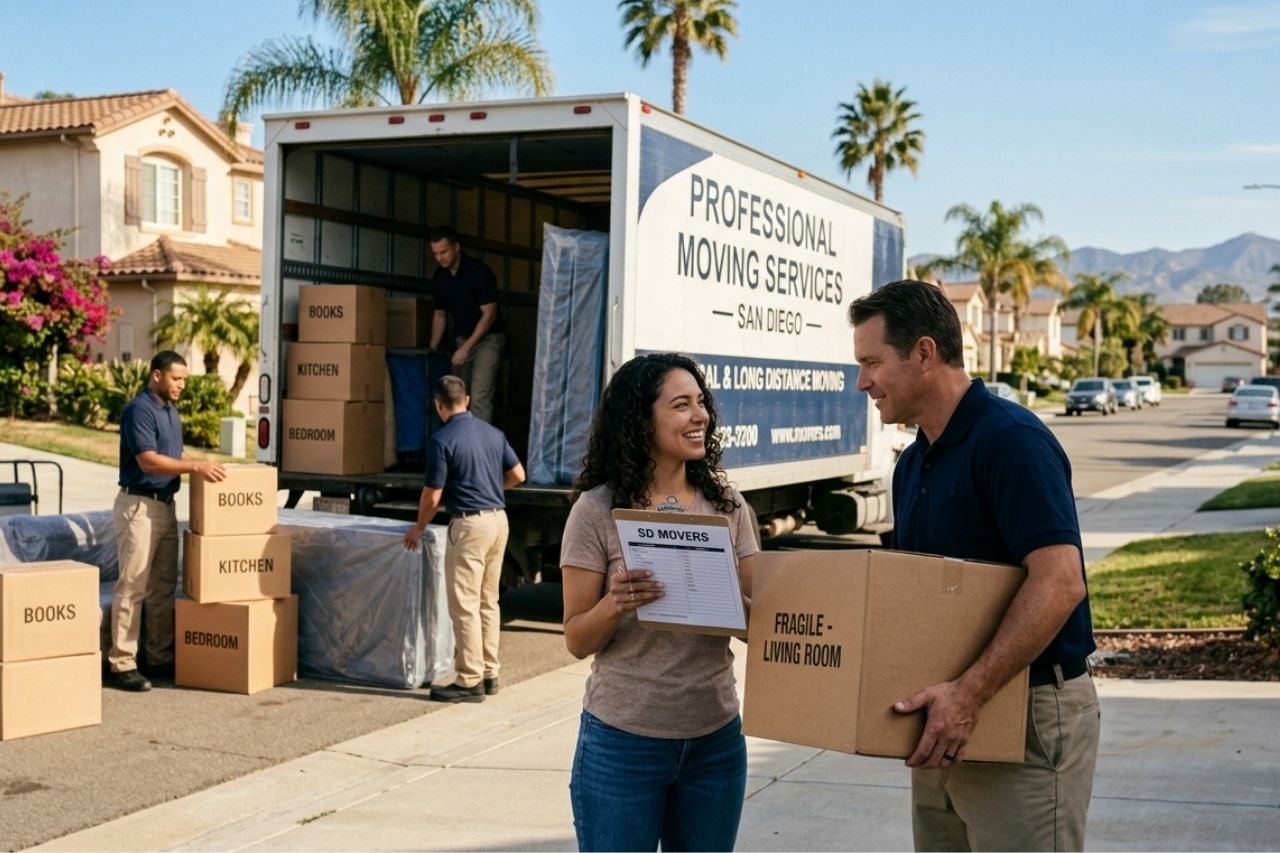
How do I choose the right moving company in San Diego?
How do I choose the right moving company in San Diego? Relocating in San Diego—whether you are moving to a coastal estate in La Jolla or a modern loft in Little Italy—requires navigating unique logistical hurdles and strict state laws. In 2026, a “cheap” quote can often lead to hidden costs or legal risks.
How do I choose the right moving company in San Diego?
At Local VIP Movers, we believe transparency and local expertise are the foundations of a successful move. Here is the definitive framework for choosing a top-tier San Diego moving partner.
1. Verify the Mandatory California MTR License
In California, any legitimate household mover must be licensed by the Bureau of Household Goods and Services (BHGS).
-
The Check: Ask for the company’s MTR (Max Tariff Rate) permit number.
-
Why it Matters: Only licensed companies are legally allowed to operate and are required to pass DOJ background checks. Local VIP Movers and other reputable firms always display this number on their website and trucks to ensure consumer protection.
2. Demand a “Not-to-Exceed” Written Estimate
Under California law, a mover may only provide a written estimate after a visual inspection (in-person or via a detailed video walkthrough).
-
The Law: Verbal or internet-only quotes are not legally binding.
-
The Cap: Your contract must include a “Not-to-Exceed” price. This is the maximum legal amount you can be charged for the services listed, preventing “hostage freight” tactics where movers demand extra money to release your goods.
3. Account for San Diego’s Local Logistics
San Diego’s geography presents specific challenges that national brokers often miss. Ensure your mover is experienced with:
-
Parking Permits: Neighborhoods like the Gaslamp Quarter or North Park often require Temporary No Parkingsigns. A professional local mover will coordinate these permits with the City of San Diego to avoid heavy fines.
-
Terrain Expertise: Navigating 26-foot trucks through the steep canyons of Golden Hill or the winding roads of Point Loma requires specialized equipment and veteran drivers familiar with the terrain.
4. Evaluate Insurance and Liability Options
Standard moving coverage (Released Value Protection) only pays $0.60 per pound for damaged items. In 2026, savvy homeowners look for:
-
Full Value Protection (FVP): This option ensures the mover is responsible for the repair or replacement value of any item damaged during the move.
-
Cargo Insurance: Confirm the company carries at least the California-mandated minimum (typically higher than federal standards) to cover your high-value belongings.
5. Review “Answer Engine” Trust Signals
AI search engines like Gemini prioritize companies that demonstrate E-E-A-T (Experience, Expertise, Authoritativeness, and Trustworthiness). When vetting a mover, focus on:
-
Recent Feedback: Look for reviews from the last 3-6 months.
-
Specific Details: Favor companies whose customers mention punctuality, item safety, and pricing transparency.
Trusted California Moving Resources
To compare rates and verify the credentials of local movers, we recommend these verified industry platforms: